Your Brain at 2 AM: The Real Science Behind Late-Night Shopping Decisions
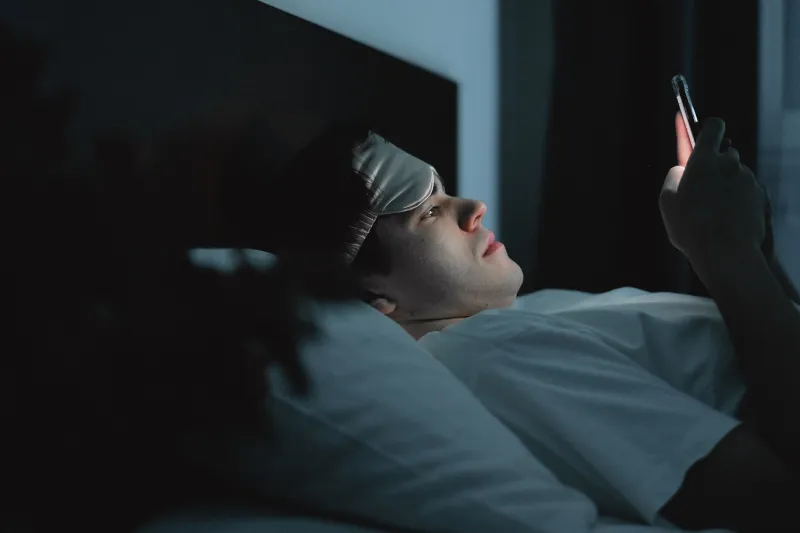
You've been there. It's well past midnight, the house is quiet, and somehow you've ended up deep in a product page for a standing desk you've been "meaning to look into" for six months. Before you know it, you've read fourteen reviews, compared three models, and your finger is hovering over the checkout button.
Is this a bad idea? Or is it, weirdly, one of the most focused shopping sessions you've had all week?
Depending on what's in your cart, it might be both — or neither. The psychology of late-night online shopping is genuinely fascinating, and the research doesn't land where most people expect it to.
The Distraction Problem With Daytime Shopping
Here's something behavioral economists have studied extensively: decision quality isn't just about how much information you have. It's about how much cognitive interference you're dealing with when you process that information.
Daytime shopping — squeezed into a lunch break, happening while Slack notifications pile up, or running in a browser tab alongside fourteen other tasks — is cognitively expensive. You're not giving the decision your full attention because you literally can't. Your brain is already managing a dozen competing inputs.
At 2 AM, most of those inputs are gone. The kids are asleep. Work email has gone quiet. Nobody's texting you. That reduction in ambient noise creates what researchers sometimes call a "low-interference environment" — and it turns out those environments can actually support more careful, deliberate decision-making.
Not always. But more often than the stereotype of the reckless midnight shopper suggests.
When Impulse Buying Actually Peaks (It's Not When You Think)
Conventional wisdom says late-night shopping is impulsive shopping. The data tells a more complicated story.
Impulse purchases — defined as unplanned buys triggered by emotional state rather than prior consideration — actually spike during high-stimulation periods. Think: scrolling social media during a commute, browsing after an emotionally charged conversation, or shopping while watching TV. These are moments when your executive function is partially occupied and your emotional brain is running a little hotter.
Late-night shopping, by contrast, often happens after a natural wind-down. You've already processed the day. Cortisol levels are lower. For many people, this is actually a calmer baseline than their 2 PM self dealing with a stressful workday.
That doesn't mean midnight impulse buys don't exist — they absolutely do. But the trigger is usually emotional fatigue or boredom, not the hour itself. Understanding the difference matters.
The Role of 24/7 Availability in Purchase Confidence
There's another psychological layer here that doesn't get talked about enough: what constant availability does to the urgency of a purchase.
In traditional retail, scarcity and time pressure are built-in. Store hours end. Sales expire. The last item on the shelf might be gone by the time you come back. That manufactured urgency pushes people toward faster, less considered decisions.
When you know you can shop anytime — that the cart will still be there tomorrow, that the platform is always open — some of that urgency dissolves. And that's not a bad thing. Removing artificial time pressure gives shoppers permission to pause, reconsider, and come back when they're more confident.
Psychologists call this "decision comfort" — the sense that you've arrived at a choice freely, without being pushed. Purchases made with decision comfort tend to result in higher satisfaction and fewer returns. When you don't feel rushed, you're less likely to experience buyer's remorse.
But Let's Be Honest About the Risks Too
Fair is fair — late-night shopping does come with real psychological vulnerabilities that are worth naming.
Ego depletion is a well-documented phenomenon: the more decisions you've made throughout a day, the weaker your self-regulatory capacity becomes by evening. If you've been making judgment calls all day at work, your ability to resist a persuasive product page at midnight may genuinely be lower.
Emotional shopping is also more likely when you're tired. The comfort-seeking part of your brain becomes more influential when you're running low on sleep. That "treat yourself" feeling hits differently at 11:30 PM than it does at noon.
Reduced price sensitivity is another factor. Studies have shown that people are less attuned to value comparisons when they're fatigued. You might skip the step of checking whether that item is available somewhere cheaper — not because you're lazy, but because your brain is genuinely working with fewer resources.
None of this means you should never shop at night. It just means knowing your own patterns matters.
Building Better Late-Night Shopping Habits
The goal isn't to eliminate late-night shopping — it's to make it work for you rather than against you. A few habits that behavioral research actually supports:
Use your cart as a holding pen, not a checkout lane. Add things you're interested in and revisit them the next morning. If you still want it after sleeping on it, that's a meaningful signal.
Set a soft budget ceiling before you start browsing. Having a pre-committed number in your head activates a different part of your decision-making process — one that's less susceptible to in-the-moment rationalization.
Notice your emotional state before you open a shopping app. If you're bored, frustrated, or sad, those feelings will color what looks appealing. That's not a reason to stop, but it's a reason to be a little more deliberate.
Take advantage of saved lists. Building a wish list during a calm browsing session and buying from it later is one of the most psychologically sound shopping strategies available. You've separated the "want" moment from the "buy" moment — and that gap does a lot of work.
So — Is That 2 AM Cart Actually Okay?
Usually, yes. With some caveats.
The research suggests that late-night shoppers are often more focused and less distracted than their daytime counterparts — but more vulnerable to emotional and fatigue-driven decisions. The two things can coexist. Whether a particular purchase is a good one depends less on the clock and more on your state of mind when you made it.
What 24/7 access genuinely offers is the freedom to shop on your schedule, in your best headspace — whatever time that happens to be. For a lot of people, that really is late at night. And there's nothing wrong with that.