Wired and Wide Awake: The Surprising Reasons Millions of Americans Shop Best When They Should Be Sleeping
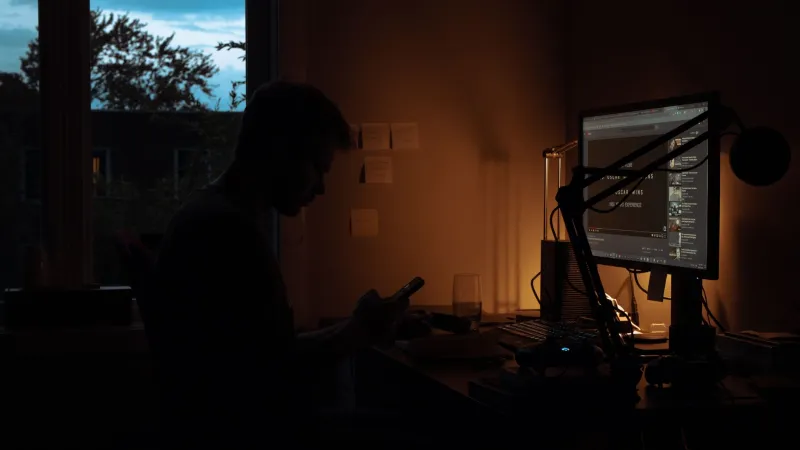
It's 2:47 AM somewhere in suburban Ohio. The kids are finally down, the house is quiet, and a 34-year-old mom named Danielle is sitting cross-legged on her couch with a tablet in her lap, adding throw pillows and a new coffee maker to her cart. She's not an anomaly. She's part of a multi-billion-dollar wave of after-dark spending that retailers are only now beginning to fully understand.
America, it turns out, has a serious sleep problem — and the e-commerce industry is quietly benefiting from every restless hour.
The Numbers Don't Lie
Recent consumer behavior data paints a striking picture. Studies from major e-commerce analytics firms consistently show that shopping activity between midnight and 5 AM has grown faster than any other time window over the past several years. Some platforms report that late-night purchases now account for anywhere from 15 to 25 percent of their total daily transaction volume, depending on the product category.
And these aren't impulse grabs for cheap gadgets. Average order values during after-dark hours frequently match — and sometimes exceed — those placed during peak daytime hours. Shoppers aren't just browsing when the lights go out. They're buying, and they're buying thoughtfully.
So who are these people, and what's keeping them up?
Three Groups Driving the After-Dark Economy
The Chronically Sleep-Deprived Parent
Ask any parent of a toddler or newborn when they actually get time to think clearly, and they'll probably laugh before answering. Daytime hours are a blur of snacks, school pickups, and small emergencies. The window between putting the kids to bed and collapsing into sleep themselves? That's prime time — and for millions of American parents, it happens to fall squarely between 10 PM and 2 AM.
This group shops with purpose. They're not browsing aimlessly. They've been mentally drafting their cart all day — the birthday gift they need to order, the replacement blender, the school supplies that ran out last Tuesday. Nighttime is when the to-do list finally gets executed.
The Shift Worker and the Non-Traditional Scheduler
About 15 million Americans work evening or overnight shifts, according to the Bureau of Labor Statistics. Nurses, truck drivers, warehouse employees, security guards, restaurant workers — these folks live on a completely different clock. When their "afternoon" hits at 11 PM or their equivalent of a lunch break rolls around at 3 AM, they shop the way everyone else does during daylight.
For this group, the 24/7 availability of online retail isn't a luxury — it's a necessity. Brick-and-mortar stores simply don't exist in their world. They need platforms that are as awake as they are, with customer service that doesn't clock out when the sun goes down.
The Insomniac and the Anxious Scroller
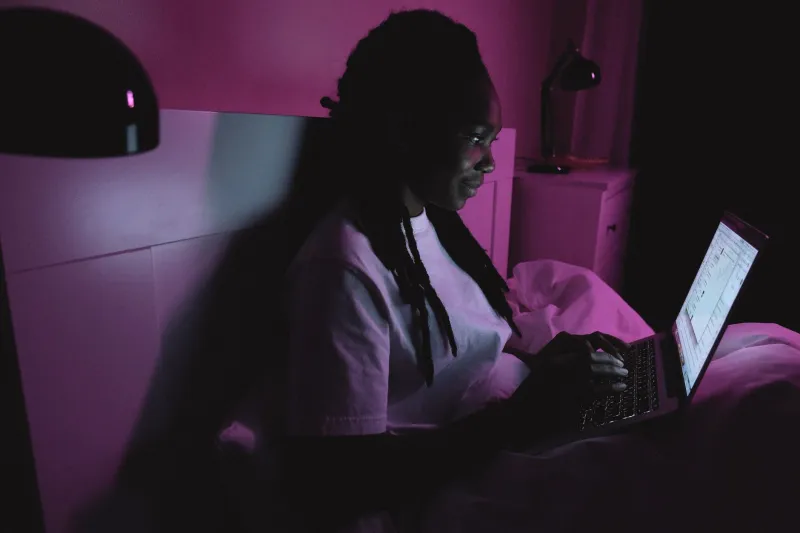
The CDC estimates that roughly one in three American adults doesn't get enough sleep on a regular basis. Chronic insomnia affects around 10 percent of the population, and anxiety-related sleeplessness has climbed significantly in recent years. For many of these individuals, lying in a dark room trying to force sleep is a losing battle. So they reach for their phone.
This is where the psychology gets genuinely interesting. Research in consumer behavior suggests that late-night shoppers — particularly those dealing with stress or anxiety — often experience a form of "retail comfort" during nighttime purchases. The act of selecting something, adding it to a cart, and completing a purchase provides a sense of control and accomplishment that can be genuinely soothing when sleep won't come. It's not pathological — it's human.
What These Shoppers Actually Buy
Not every product category performs equally well after midnight. Home goods, personal care, books, pet supplies, and health and wellness products consistently rank among the top categories for late-night purchases. Clothing and shoes see strong activity too, particularly in the 10 PM to 1 AM window when people are winding down but still alert enough to compare options.
Interestingly, big-ticket items — furniture, electronics, appliances — see a notable spike in late-night browsing even when the actual purchase happens the next day. Shoppers use quiet nighttime hours to research without distraction, building confidence in a decision they'll commit to in the morning. Retailers who understand this behavior are investing in richer product pages, detailed comparison tools, and thorough review sections specifically to serve this deliberate, research-mode audience.
The Emotional Landscape of After-Dark Shopping
Here's something that often gets overlooked in the data: nighttime shopping is an emotional experience in a way that daytime shopping simply isn't. During the day, purchases are often transactional — quick, efficient, functional. At night, the stakes feel different. There's more time to consider, more space to feel something about a product.
Marketers who've studied this pattern note that late-night shoppers respond more strongly to storytelling, to product descriptions that paint a picture, to imagery that evokes comfort or aspiration. A throw blanket isn't just a throw blanket at 1 AM — it's warmth, coziness, a small reward after a long day. Platforms that speak to that emotional register tend to convert better during overnight hours.
This is also why customer reviews matter so much to this audience. With no one to ask and no store associate to consult, late-night shoppers lean heavily on peer feedback. Review quality and volume can make or break a sale in the small hours.
What Retailers Are Doing About It
Savvy e-commerce brands are waking up to the opportunity — pun intended. Extended customer service hours, chatbots trained to handle nuanced product questions, and overnight-specific promotions are all becoming more common. Some retailers are even experimenting with time-sensitive flash deals that launch at midnight specifically to capture this audience's attention.
The brands that are really getting it right are the ones treating after-dark shoppers not as an afterthought but as a primary audience segment with distinct needs. That means faster site load times for mobile (since most late-night shopping happens on phones), streamlined checkout flows that don't require a lot of steps when someone's half-asleep, and return policies communicated clearly enough that a tired shopper doesn't second-guess themselves into abandoning the cart.
The Takeaway for Shoppers
If you're someone who regularly finds yourself shopping late at night, you're in very good company — and you're probably getting more out of it than you realize. The quiet hours have a way of cutting through the noise. Without the distractions of the day, it's easier to focus on what you actually need, compare options carefully, and make decisions you'll feel good about in the morning.
At ShopMe 24x7, we built the whole thing around exactly this reality. Whether it's noon on a Tuesday or 3 AM on a Saturday, the store is open, the deals are live, and someone's always around to help. Because honestly? Some of the best shopping happens when the rest of the world is finally asleep.