Stop the Wardrobe Chaos: How Anytime Shoppers Can Actually Build a Closet That Works
Let's be honest. There's something dangerously freeing about shopping at 1 AM in your pajamas, a snack in one hand and your phone in the other, adding things to your cart because the lighting in the product photo looks incredible. No salespeople. No crowds. No judgment. Just you, a great deal, and the soft glow of your screen.
The problem shows up about three days later when the package arrives and you realize that cobalt blue wrap dress has absolutely nothing in your closet to keep it company.
If you're a round-the-clock shopper — and there are millions of you across the US — building a wardrobe that actually works together requires a little more intentionality than your average 9-to-5 mall trip. Because when you shop at random hours, across different moods, seasons, and energy levels, your closet can start to look less like a curated collection and more like a highlight reel of impulsive decisions.
Here's how to fix that without giving up the shopping habit you love.
Start With a Color Anchor (and Stick to It Like Your Life Depends On It)
The single biggest reason late-night wardrobes fall apart? Color chaos. When you're browsing at midnight, that burnt orange cardigan looks earthy and chic. At 2 AM, the forest green pullover seems like an obvious essential. By 4 AM, you've also added a dusty rose blouse and a cherry red blazer.
None of these things talk to each other.
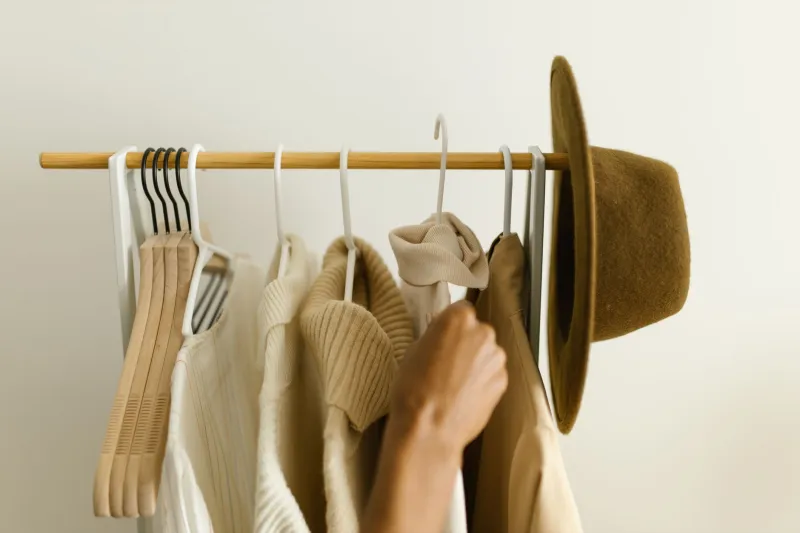
The fix is simple but requires a little upfront work: choose two or three neutral anchor colors before you ever open a shopping app. Think navy, camel, white, gray, or black. Every piece you buy should either be one of those neutrals or pair effortlessly with them. Accent colors are fine — even encouraged — but they should complement the anchors, not compete with them.
Before you hit "Add to Cart" on anything colorful, ask yourself: does this work with at least two things I already own? If the answer is no, close the tab. Come back in the morning when your judgment is sharper.
Build Around Fit Profiles, Not Feelings
Here's a sneaky truth about shopping when you're tired, wired, or somewhere in between: your perception of how something will fit shifts dramatically depending on the hour. Late-night shoppers tend to lean toward oversized and cozy. Early morning browsers often go for structured and polished. Weekend afternoon sessions? Anything goes.
The result is a closet full of pieces that fit completely different bodies — or at least different moods — and don't layer or mix well.
The solution is to define your fit profile ahead of time. Decide whether you generally prefer relaxed, fitted, or a mix of both. Write it down somewhere. Keep it in your notes app. Then, when you're shopping at whatever hour strikes your fancy, you've got a reference point that isn't your current emotional state.
This doesn't mean every piece has to be identical in silhouette. It means you're making intentional choices rather than reactive ones. A relaxed-fit shopper can still own a fitted blazer — they just need to know it's a conscious decision, not a 2 AM whim.
Create a Seasonal Wishlist Before You Browse
One of the quieter pitfalls of 24/7 shopping is that the internet doesn't care what season it is. Retailers stock year-round inventory, flash sales happen in February for sundresses and in July for wool coats, and your algorithm is always ready to serve you something beautiful regardless of whether it's actually useful right now.
The smartest thing you can do is build a seasonal wishlist at the start of each season — not in the middle of a midnight browsing session. Spend fifteen minutes in early fall, early winter, early spring, and early summer jotting down what your wardrobe actually needs. Maybe you're short on layering pieces. Maybe you've got zero warm-weather dresses. Maybe your work pants situation is dire.
When you shop, especially at odd hours, pull up that list first. Use it as your filter. A sale on something that's not on the list isn't a deal — it's a distraction.
The "Outfit Formula" Trick That Changes Everything
Capsule wardrobe experts have been preaching outfit formulas for years, and there's a reason: they work. An outfit formula is basically a template for getting dressed — a combination of garment types that reliably produces a complete, put-together look.
For example:
- Fitted top + wide-leg pants + loafers
- Casual dress + denim jacket + sneakers
- Button-down shirt + straight jeans + ankle boots
When you're shopping at ShopMe 24x7 at whatever hour inspiration strikes, run each potential purchase through your personal formulas. Does this new piece slot into at least one of your go-to combinations? Does it replace something worn out, or does it genuinely add a new formula to your rotation?
If it doesn't fit the formula — literally or figuratively — it's worth pausing before you buy.
Give Yourself a "Sleep On It" Rule for Anything Over $50
This one's uncomfortable but necessary. If you're browsing late at night and something catches your eye with a price tag over $50, add it to your wishlist instead of your cart. Then check back the next day.
Yes, the sale might end. Yes, your size might sell out. But here's the thing: if it's still there the next day and you still want it, you've got your answer. If you wake up and can't even remember what it looked like, you've saved yourself $50 and a future "what was I thinking" moment.
For items under $50, use your color anchor and outfit formula rules to make the call in the moment. But for bigger purchases, a little breathing room goes a long way toward building a wardrobe you'll actually wear.
A Closet You'll Actually Love, One Late-Night Cart at a Time
The beauty of shopping anytime, anywhere is that you're never locked into someone else's schedule. You browse when inspiration hits, when deals surface, when you've got a quiet moment that's entirely your own. That freedom is real, and it's worth protecting.
But freedom works best with a loose framework underneath it. A color anchor. A fit profile. A seasonal wishlist. A few reliable outfit formulas. These aren't restrictions — they're guardrails that make every cart decision faster, smarter, and a whole lot more satisfying when the packages actually arrive.
Build your capsule wardrobe on your own timeline. Just make sure the pieces you're adding at midnight are ones you'll still be excited about when the sun comes up.