Fake It Till You Break It: How to Catch Counterfeit Products Before They Hit Your Doorstep

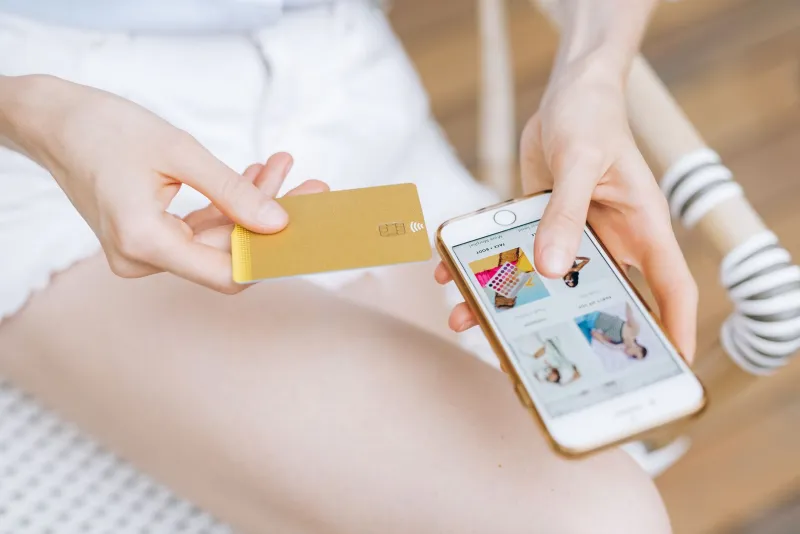
Let's be real — one of the best things about shopping anytime, anywhere is the freedom. Nobody's breathing down your neck, no store hours to beat, no parking lot drama. Just you, your device, and an endless scroll of products at whatever hour suits you.
But that freedom cuts both ways. When you're browsing at odd hours, customer service reps aren't always a quick chat away. And counterfeiters? They know it. They count on shoppers being tired, impatient, or just too excited about a deal to slow down and look closely.
The good news: you don't need a live agent to protect yourself. With the right knowledge, you can authenticate most products on your own — no matter what time it is.
Why Counterfeits Are a Bigger Problem Than Most Shoppers Realize
The U.S. Customs and Border Protection agency seizes billions of dollars in counterfeit goods every year. We're not just talking knockoff handbags — fake products now span electronics, supplements, cosmetics, sneakers, baby gear, and even medications. The counterfeit market has gotten sophisticated. Some fakes are so convincing that casual inspection won't catch them.
And here's the thing: a lot of these fakes end up in third-party marketplace listings that look completely legitimate. Slick photos, five-star reviews, competitive prices. The setup is designed to look trustworthy.
So what do you do when you can't call someone to verify? You build your own toolkit.
Start With the Price — Seriously
This sounds obvious, but it's worth hammering home: if the price feels too good, it probably is. A $40 "designer" fragrance. A $60 pair of "authentic" Air Jordans. A $25 "genuine" skincare serum from a brand that normally retails for $90.
Counterfeiters use price as bait. Your gut instinct about pricing is actually a decent first line of defense. Before anything else, Google the product's standard retail price. If the listing is dramatically lower — like 50% or more below MSRP — treat it as a red flag and dig deeper.
Check the Seller, Not Just the Product
Product listings can look polished even when the seller behind them is shady. Spend two minutes checking:
- Seller age and history. New accounts with no track record are riskier.
- Review patterns. A flood of five-star reviews posted in a short window is a classic sign of manipulation. Look for reviews that mention specific details about the product rather than generic praise.
- Return policy. Legitimate sellers usually have clear, reasonable return windows. Vague or no-return policies are a warning sign.
- Seller location. This isn't always a dealbreaker, but a domestic seller claiming to ship a "US-exclusive" product from overseas deserves scrutiny.
Use the Brand's Own Website as Your Verification Anchor
Almost every legitimate brand has an authorized retailer list or a product verification page on their official website. Before you buy, open a second tab and go straight to the brand's site. Look for:
- An authorized dealers or stockists page
- A serial number or authentication code checker (common with electronics, luxury goods, and supplements)
- A "where to buy" section
If the seller you're looking at isn't on that list, that's a significant red flag. Some brands — like Yeti, Levi's, and Apple — are very explicit about where their products can and cannot be sold.
Zoom In on Product Images
Counterfeiters often reuse stock images or low-resolution photos to avoid showing flaws. When evaluating a listing:
- Look for photos that show actual product details — stitching, hardware, labels, packaging fonts
- Zoom in on logos and text. Blurry or slightly off-center branding is a classic tell
- Check whether images are clearly lifted from the brand's official site (reverse image search via Google Lens can confirm this in seconds)
- Look for user-submitted photos in reviews — real buyers tend to show the product in natural lighting, which reveals flaws that studio shots hide
Google Lens is genuinely your friend here. Drag a product image into the search and see where else it appears online.
Category-Specific Red Flags to Watch
Different product types have different tells. Here's a quick breakdown:
Electronics: Legitimate electronics have FCC certification numbers you can verify at fcc.gov. Fake chargers and cables often lack proper safety ratings. Check for misspelled model numbers and generic packaging.
Sneakers and Apparel: Look at the tag placement, font consistency, and stitching quality in photos. Authentic sneakers have consistent sole patterns and clear, evenly spaced logos. Mismatched fonts on tags are a giveaway.
Cosmetics and Skincare: Real products list full ingredient details, batch codes, and manufacturing info. Fake cosmetics often have smudged printing, missing batch numbers, or suspiciously vague ingredient lists. The FDA's website lets you search for approved products.
Supplements: Check for NSF International or USP certification marks, and then verify those certifications directly on the certifying body's website. Counterfeit supplements are a genuine health risk — this one really matters.
Luxury Goods: Authentic luxury items come with specific packaging, authenticity cards, serial numbers, and dust bags. Research what your specific item should include before purchasing, and compare photos critically.
Third-Party Authentication Tools
Several independent services exist specifically to help shoppers verify products without relying on retailers:
- Entrupy — uses AI to authenticate luxury goods through image analysis
- CheckFresh — helps verify cosmetics batch codes and expiration dates
- Legit App — community-driven authentication for sneakers and streetwear
- Authenticate First — professional authentication service for a range of product categories
For high-ticket items especially, these services are worth the small fee. Spending $15 to verify a $400 purchase is a no-brainer.
Trust Your Instincts and Don't Rush
Here's something counterfeiters rely on heavily: urgency. "Only 2 left!" "Deal expires in 10 minutes!" "Limited time offer!" These tactics are designed to short-circuit your judgment.
When you shop at ShopMe 24x7, you've got one massive advantage — we're always open. There's no closing time to race against, no one-day-only pressure that actually means anything. If a deal feels off, walk away and come back with fresh eyes. The internet will still be here. So will we.
And if something does slip through and you end up with a suspicious product, document everything — photos, packaging, listing screenshots — and report it. The FTC's ReportFraud.ftc.gov portal exists for exactly this reason.
The Bottom Line
Shopping at 3 AM doesn't mean shopping blind. With a few extra minutes of due diligence — checking seller history, verifying brand authorization, using reverse image search, and knowing category-specific red flags — you can shop confidently at any hour. Counterfeiters are counting on your fatigue and excitement. Don't give them the advantage.
You've got the tools. Now use them.